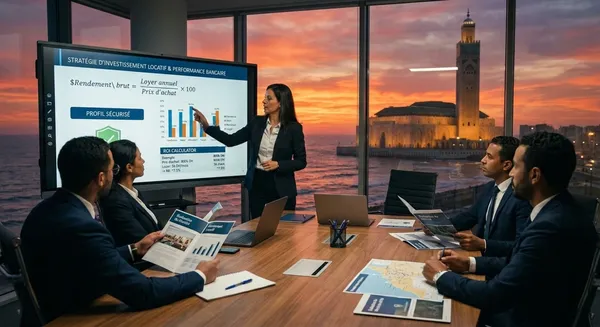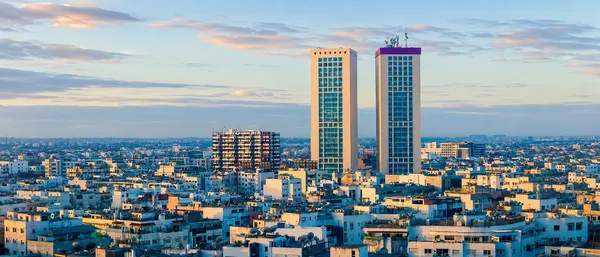
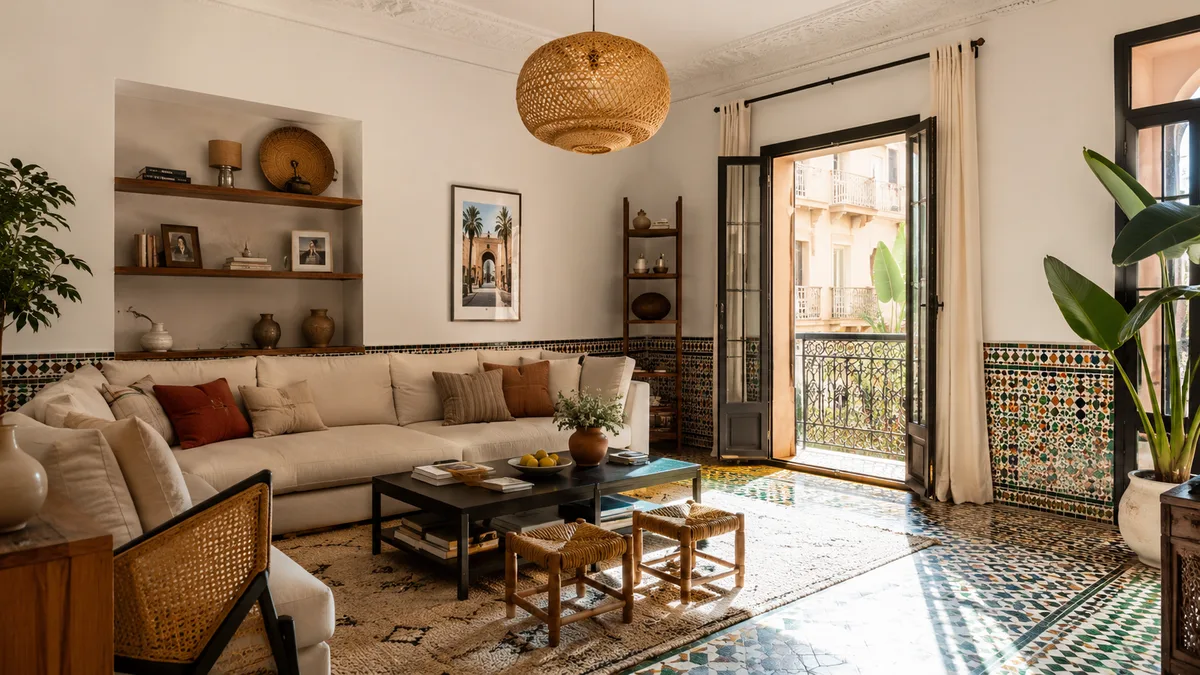
Short-term holiday rentals via platforms such as Airbnb and Booking.com represent a lucrative investment model in Morocco, particularly across Marrakech, Tangier, Casablanca, and Agadir. While highly profitable, operating short-term rentals requires compliance with local administrative and tax regulations.
1. Moroccan Legal Framework for Short-Term Rentals
Short-term furnished lettings are overseen jointly by the Ministry of Tourism and the General Directorate for National Security (DGSN):
- Activity Declaration: Property owners must register their short-term rental activity with local authorities (Caïdat/Prefecture) and the Ministry of Tourism delegation.
- Mandatory Police Guest Forms: Landlords must systematically issue guest registration forms to all incoming travelers and file them with local police stations.
2. Building Syndic Rules and Co-Ownership Bylaws
Prior to buying an apartment intended for short-term holiday letting, carefully review the building's co-ownership bylaws:
- If building bylaws prohibit commercial activities or transient tenant traffic, the building syndic or neighbors can legally apply for an injunction.
- Securing written approval from the HOA / Syndic assembly is strongly recommended.
Learn more about building regulations in our co-ownership syndic law guide for Morocco.
3. Taxation of Airbnb Income in Morocco
Income generated from short-term lettings is subject to Income Tax (IR) under property or business income categories:
- Annual declaration of total gross rental revenues.
- Option to register under the Auto-Entrepreneur tax regime subject to turnover caps.
- Settlement of municipal tourist taxes (TPT) with local city councils.
Compare short-term vs long-term rental performance in our Casablanca & Marrakech price per sqm guide.
Discover High-Yield Investment Properties on Sakanly
Explore prime studios and apartments ideal for short-term rental operations across Morocco on Sakanly.